Live Events
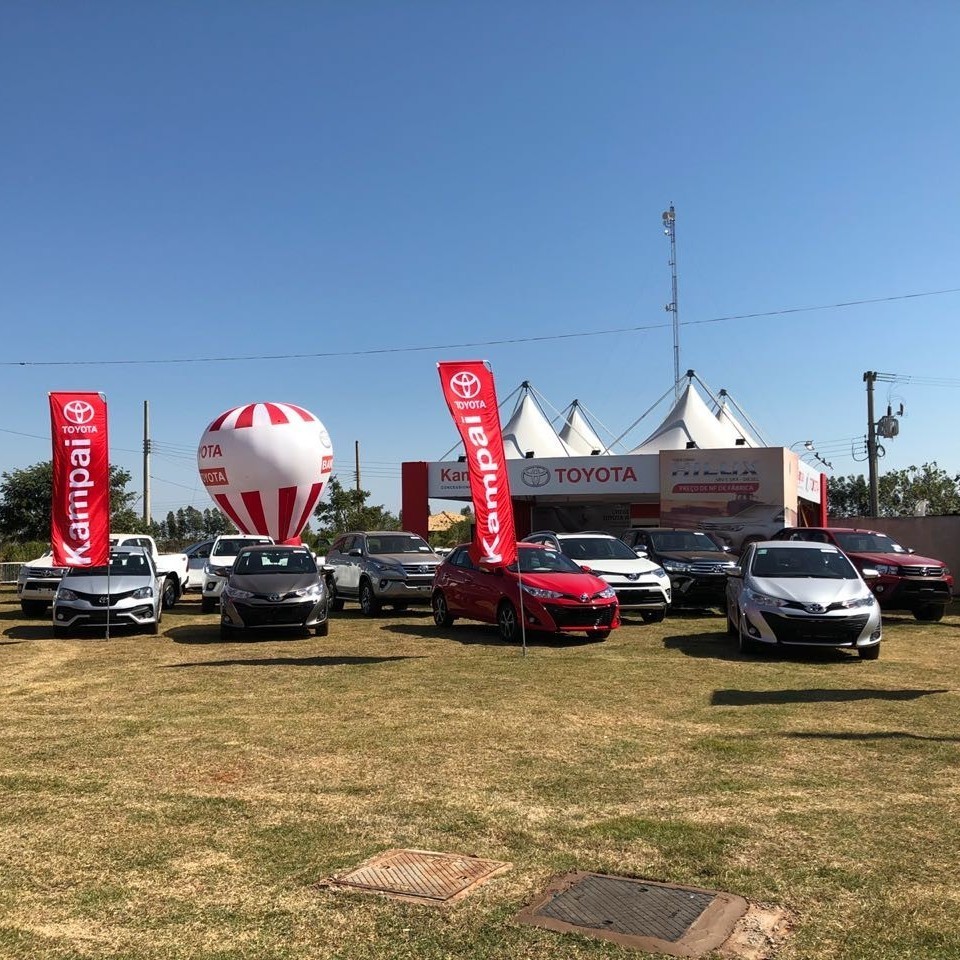
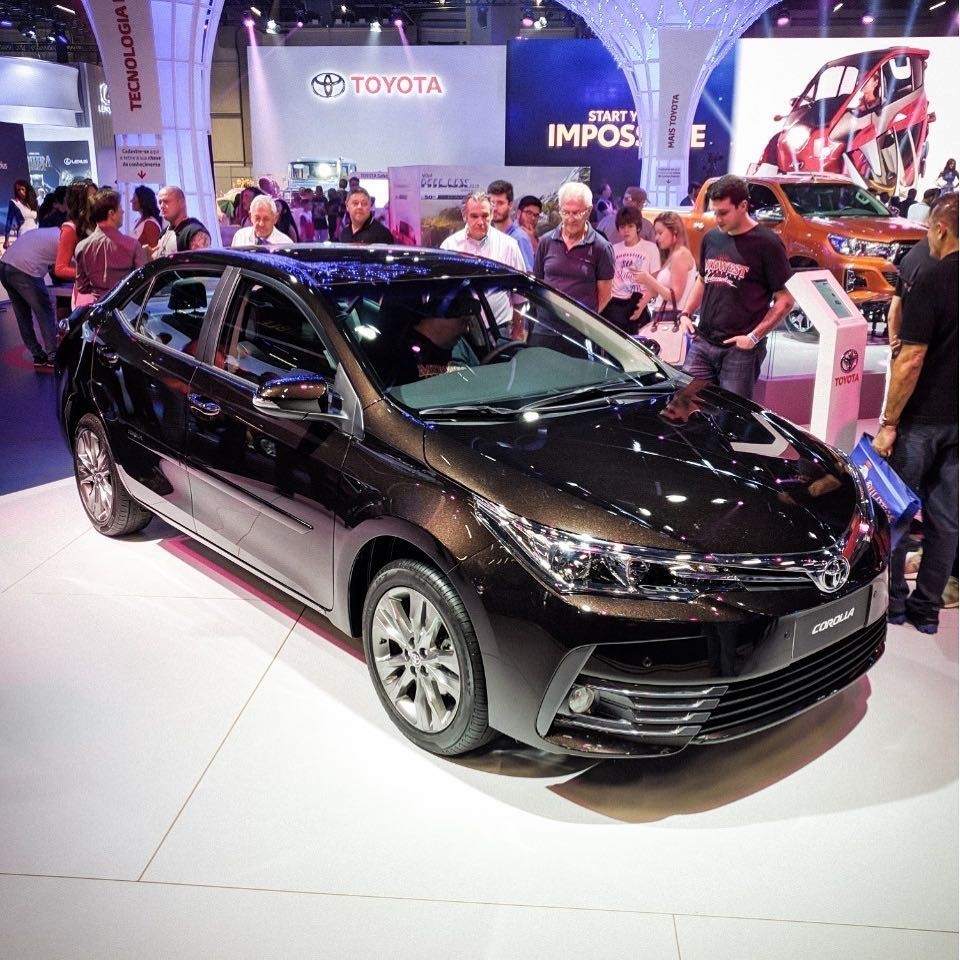
Working as a Marketing Manager for one of Brazil’s largest automotive groups meant more than just designing campaigns or placing ads. It involved planning, producing, and delivering impactful events in partnership with some of the most recognized dealerships in the country.
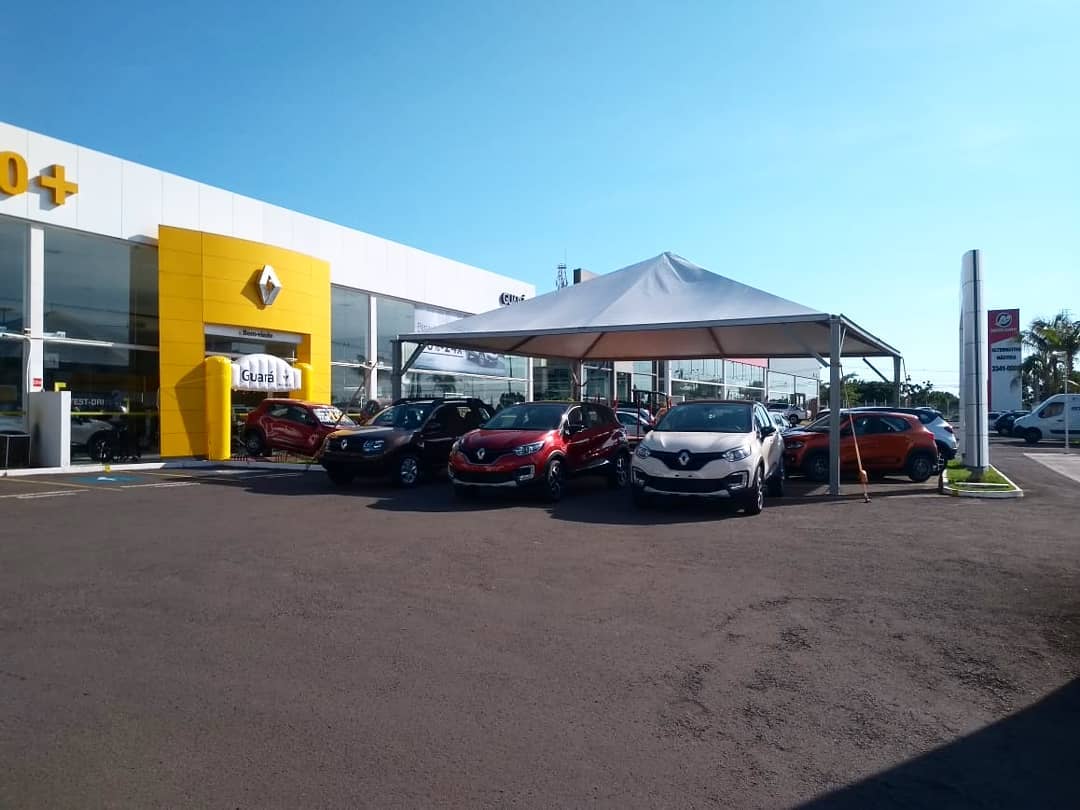
From the official launch of the Corolla Hybrid — held to Toyota’s international “Kaizen” standard — to sales-focused experiences for Renault and Nissan, these events weren’t just showcases. They were strategic activations designed to hit clear sales and lead generation targets.
One of the key challenges in this role was balancing creative ambition with strict brand guidelines and dealer expectations. Each brand came with its own DNA, rules, and customer profile. Aligning them under a single marketing vision meant constant communication with dealership boards, frequent in-person briefings, and detailed planning sessions.
The production side was equally demanding. Events required coordination across suppliers, venues, and local media while ensuring flawless execution. Every detail mattered — from layout and branding consistency to staff training and customer journey design. Measuring success went beyond counting attendees. We developed methods to track qualified leads generated at events and compare them with overall sales performance, ensuring that the investment delivered real, measurable returns.
Building these events also meant dealing with tight timelines, unexpected roadblocks, and evolving goals. It forced me to think strategically and act tactically — designing creative solutions that respected both brand guidelines and local realities.
In this role, I didn’t just deliver events. I delivered results that connected strategy, creativity, and execution in the real world — creating experiences that sold cars, strengthened brand perception, and built long-term relationships with customers and dealer teams alike.
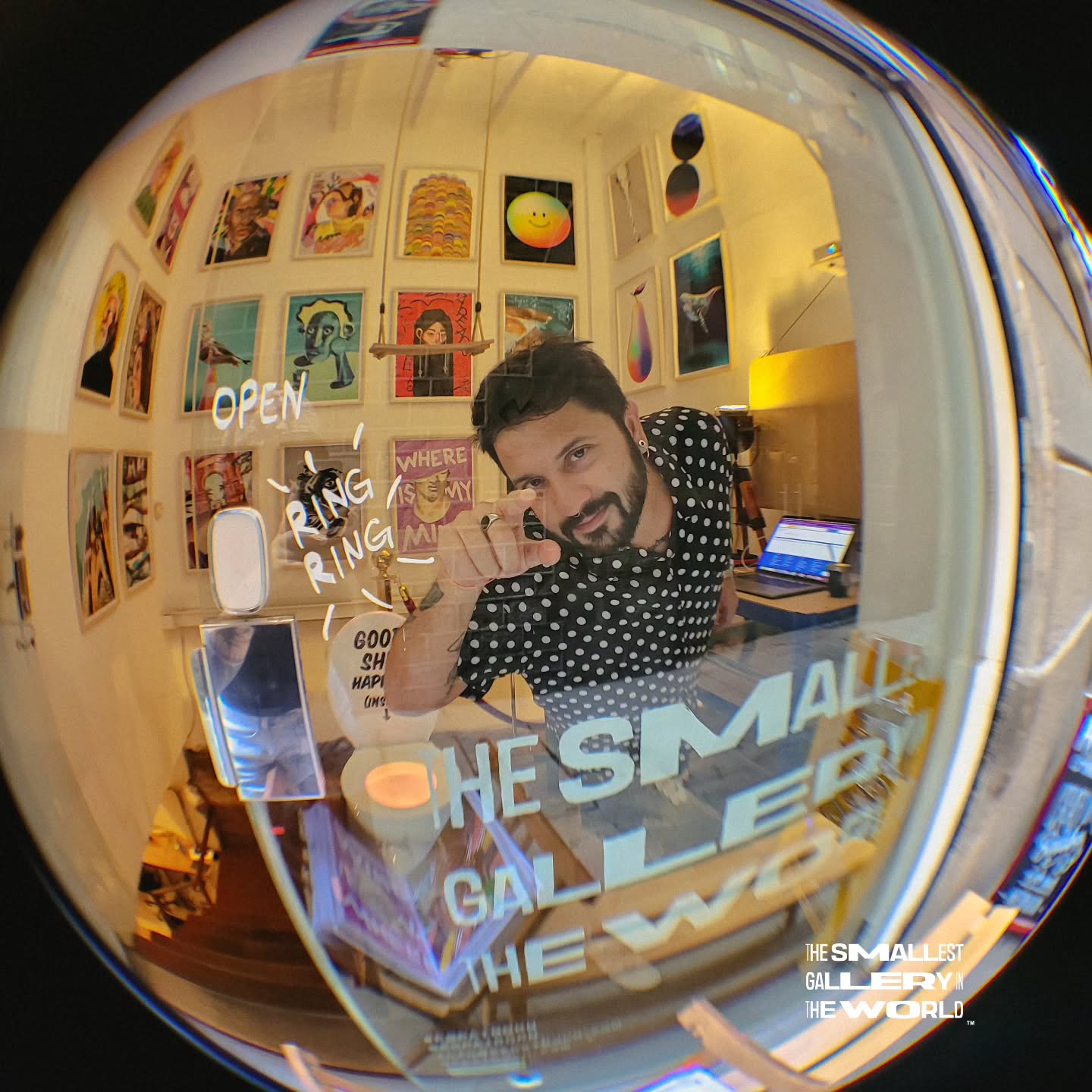
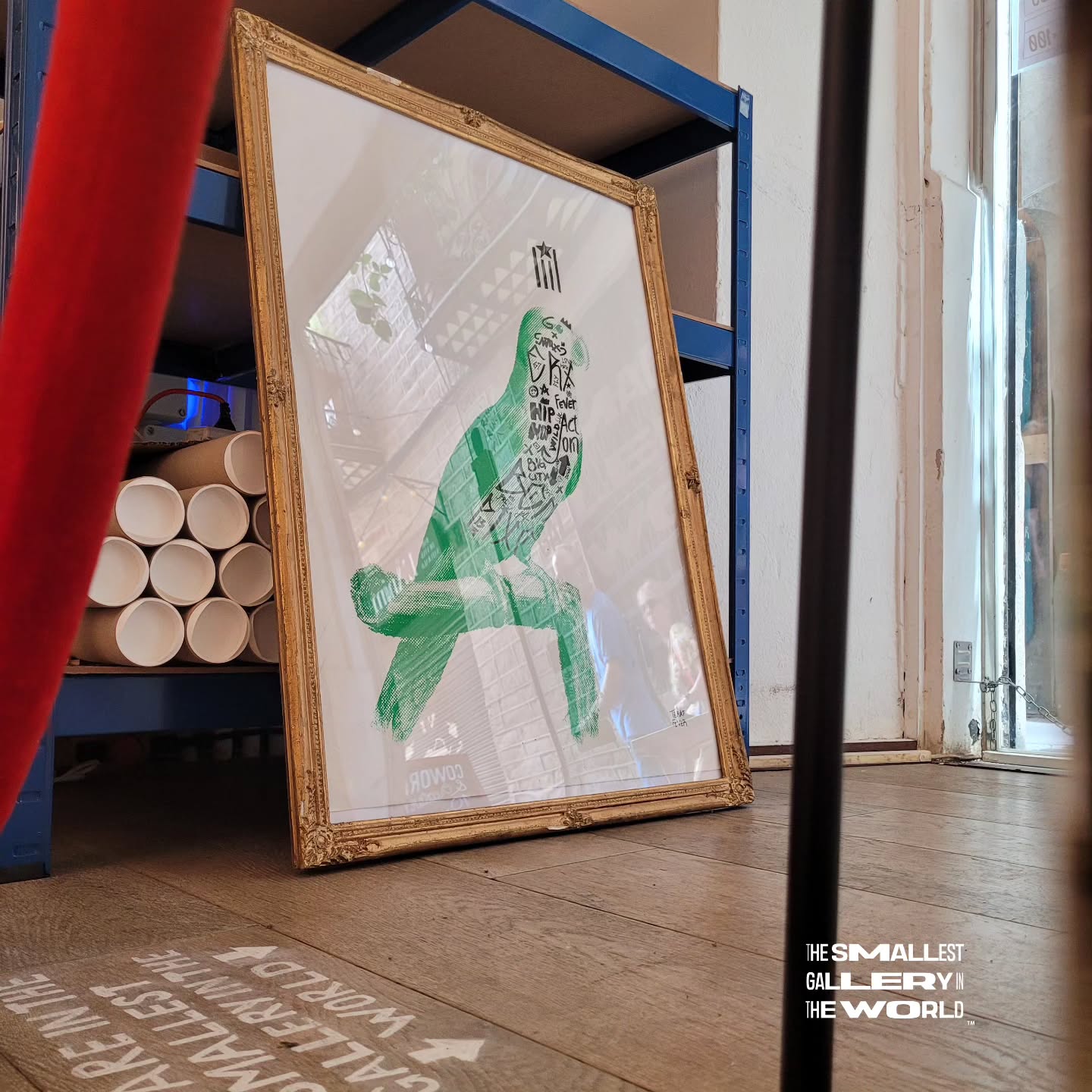
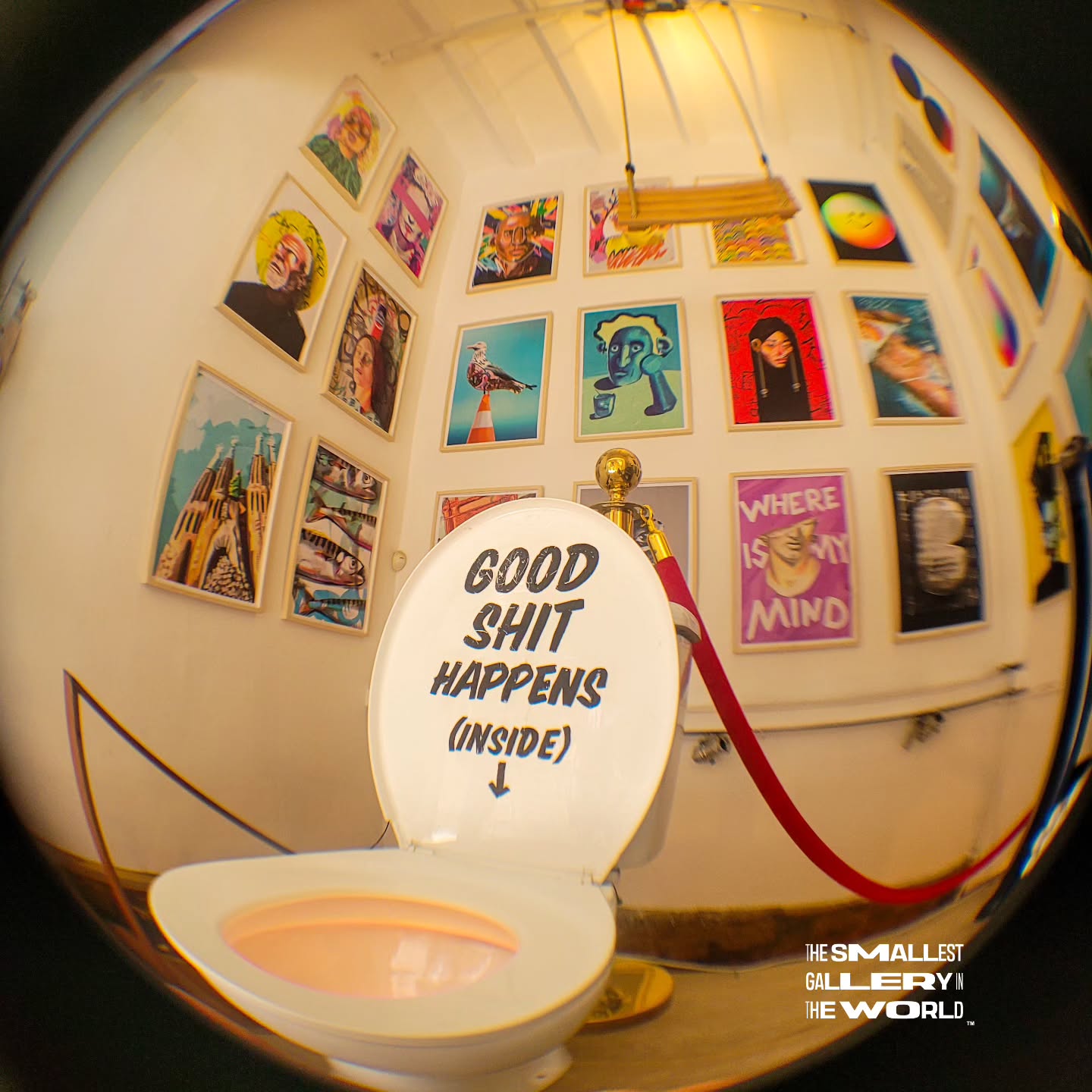
I created and managed the SMALLEST GALLERY IN THE WORLD as an experiment in delivering maximum visual impact with minimal physical space. The concept was simple but ambitious: challenge the traditional idea of what a gallery could be by curating meaningful art experiences in an ultra-compact format.
This wasn’t just a design exercise — it was a full-scale project where I took the lead from ideation through execution. I developed the branding, planned the layout, and curated the content, ensuring every inch of the space served a clear purpose. The exhibitions featured a mix of my own artwork and pieces from local artists, carefully selected to tell compelling stories despite the strict space constraints.
Managing the gallery meant wearing many hats. I was responsible for marketing and promotion, using both online and offline channels to attract visitors and build awareness. I also oversaw logistics, event planning, and community engagement, ensuring that each opening was not only visually impactful but also meaningful to the audience.
This project taught me to be ruthlessly strategic about space, resources, and messaging. It was an exercise in clarity and focus — proving that with the right design approach, even the smallest space can deliver a big experience.